
Making a top-notch TV commercial involves a lot of planning, teamwork, and careful attention to details. In this special look, we’ll guide you through the entire production process, revealing what happens both in front of and behind the camera.
From detailed set designs and advanced lighting setups to modern editing areas, creating a commercial ready for TV is a big task. However, this hard work results in an appealing and successful advertisement that people will remember.”
This version maintains the essence of the original paragraph while using more straightforward and accessible language, making it easier for a wider audience to understand.
TV Commercial Pre-Production Planning Sets the Stage
Before the director even shouts the first “action!”, dozens of critical decisions must be made. This pre-production phase lays the foundation for the entire TV commercial shoot.
Creative Development and Planning
The creative brief outlines the objectives for the commercial based on the client’s goals, product, target audience demographics, and desired tone. This guides every aspect of design and messaging.
Creative teams brainstorm concepts, often creating storyboards to visualize possible scenes. The client reviews options and selects the direction they believe will best resonate with viewers.
Casting the Talent
Casting directors audition numerous actors, comparing readings to select those able to convincingly convey intended emotions and effectively sell the product.
For well-known brands, the client may request celebrity talent to boost interest and trust. Athletes often promote sports gear while popular actors represent beauty items.
Scouting Locations For a TV commercial
Producers search for shooting sites serving both practical and atmospheric purposes. Consumers want to see products used in realistic settings. Backgrounds also impact mood—a laundry detergent ad may select a lively suburban home rather than sterile lab.
Tech scouts verify locations have adequate access, space, power, and lighting capability required for the crew to work efficiently. Permits are secured for public sites.
Building Needed Sets
If a practical location doesn’t meet needs or none exists within budget, custom sets get constructed on sound stages. Carpentry, painting, and decorating crews follow set designs, building interiors like retail stores, offices, homes, or fantasy worlds matching the creative vision.
Storyboards and Shot Lists
Directors translate script concepts into detailed storyboards. These sequential drawings showcase major scenes, camera perspectives, characters, props, actions and transitions. The storyboard provides everyone a clear visual plan to follow throughout shooting.
The director also creates shot lists noting desired footage involving individual scenes, angles, and subject matter. This ensures capturing all elements required to assemble the ad. Checklists prevent overlooking key messaging or visuals.
TV Commercial Production Checklist
| Pre-Production | Production | Post-Production |
|---|---|---|
| Creative Brief | Shoot Schedule | Offline Editing |
| Concepting | Call Sheets | Graphics |
| Storyboards | Location Shoots | Sound Mixing |
| Casting | Studio Shoots | Color Correction |
| Location Scouting | Product Shots | VFX |
| Set Design/Construction | Pickup Shots | Music Scoring |
| Wardrobe Styling | Rendering | |
| Prop Sourcing | Broadcast Formatting |
Assembling Gear and Crews For TV Commercials
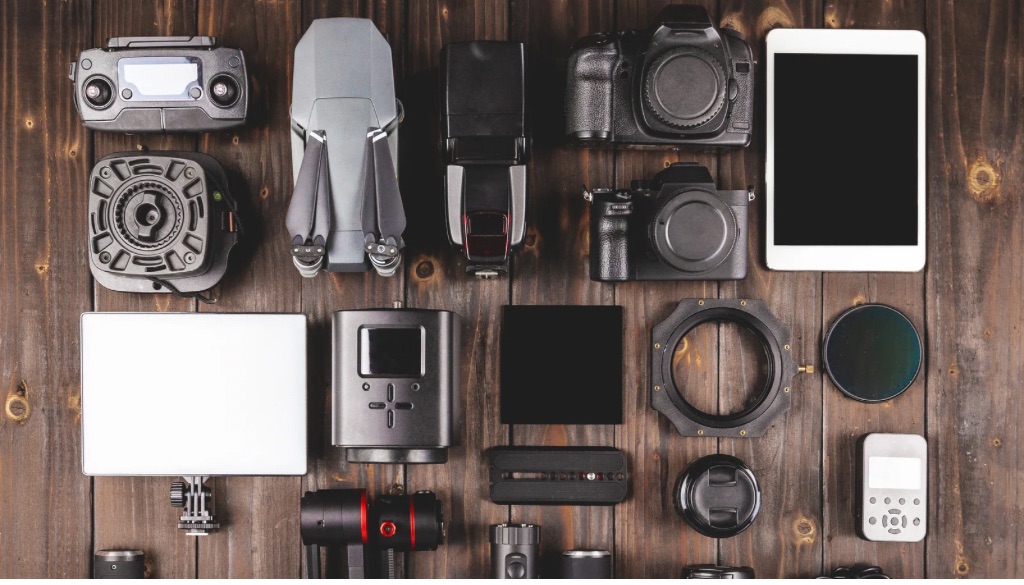
An army of technicians gather all the equipment and personnel needed to capture footage. This includes:
- Cameras and Rigs – High-end digital cinema cameras mount onto stabilizing platforms including dollies, jibs, cranes, and Steadicam vests for smooth tracking and sweeping shots. Underwater housings enable submerged views. Accessories like filters, monitors and remote focusing tools support versatility.
- Lenses – Prime, zoom, wide angle, telephoto and specialty lenses provide options for desired perspectives, fields of view and exposure characteristics.
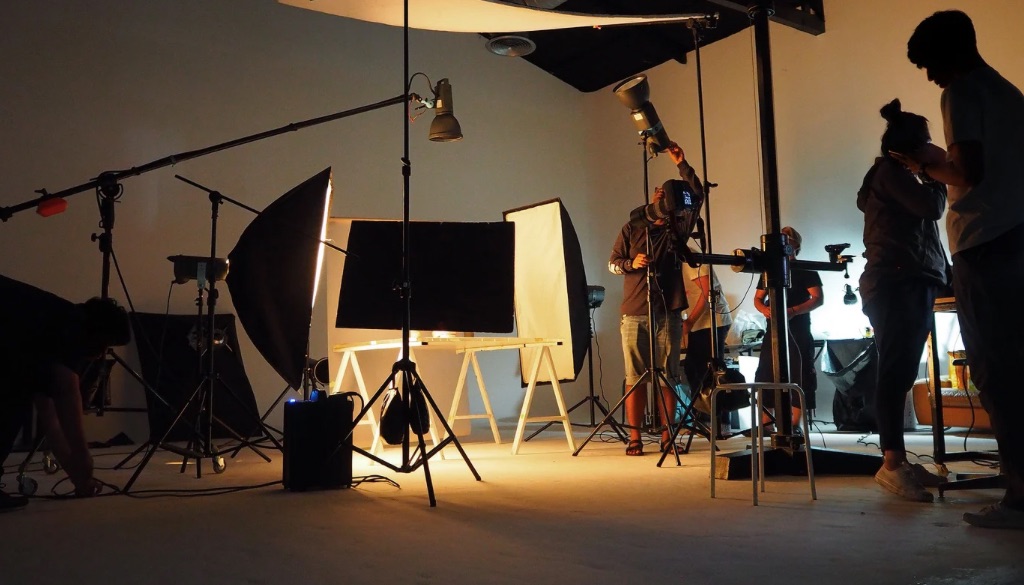
- Lighting Instruments – Gaffers position an array of lighting tools to achieve balanced, camera-ready illumination. Instruments create depth through highlights, shadows and contrasting tones. Powerful HMIs mimic sunlight while compact LED panels are easily portable. Reflectors redirect existing light. Lighting grids focus beams, snoots contain them and gels tint hues.
- Grip Gear – Grips provide rigging frameworks allowing lighting/camera platforms to move properly on set while guarding against instability and safety hazards. Stands, booms, tracks, clamps and mounting hardware get used innovatively to accomplish needed adjustments.
- Generators and Distribution – Large generators supply electrical power in areas lacking sufficient connectivity. Thick cabling distributes it safely to all equipment.
Lights, Camera, Action on Set
Once sets stand fully dressed, props set and tests completed, the cast and crew assemble to capture all planned scenes.
Long Hours, Strict Organization
Shoot days begin very early, typically wrapping 14+ hours later. Call sheets issued each day ensure all 170+ team members remain coordinated. Throughout the structured but fluid filming, positions like:
- Assistant Directors – Responsible for day’s schedule, managing moves between shots and enforcing up to 70 setups/day pace.
- Production Assistants – Serve as director’s key aide on set while helping crew with various needs like distributing call sheets or waters.
- Unit Production Managers – Oversees entire project operational aspects from salaries to permits to vendor payments.
- Script Supervisors – Monitors shooting progress vs script, marking takes and advising director to ensure coverage completeness.
Actors Bring Script to Life
Under hot lights, in full makeup and costume, talent waits patiently through equipment adjustments only to hear “quiet on set!” Unwavering focus summons emotions on cue as directors coax out lively authentic performances, often demanding numerous takes.
Stand-ins help set framing, hair & makeup teams perform quick touch ups, wardrobe staff monitor continuity between shots. Additional coaching and encouragement keeps energy and spirits high with minimal delays.
Roll Sound, Roll Camera!
“Speed!” Starting camera and sound recording precedes the treasured “Action!” command commencing a scene. Clackboards identify shots. Take numbers help editing decisions. Directors scrutinize video assists. Hair lightly blows from fans while makeup artists watch from the sidelines, rushing any necessary touchups during pauses.
Multiple camera setups capture alternate angles of performances minimally interrupting the acting flow. Adjustments get made to lighting, props and wardrobe between takes. Extra material gets “picked up” for insert shots and cutaway reactions.
The director reviews options, decides if additional versions might improve options in editing. Finally, the coveted “Cut! Checking the gate!” brings relief at scene completion. Quick celebration precedes resetting for the next frames.
TV Commercial Post-Production Completes the Package
With raw footage successfully “in the can”, the director and editor collaborate to assemble scenes into the best possible final cut. Post houses add critical sound, color, graphics and finishing polish creating a slick broadcast-ready product sure to promote positive brand awareness.
Offline Video Editing
Editors digitally arrange clips in order, trimming segmented takes into ideal story sequence with polished shot-to-shot flow. Rough cuts receive feedback for refinement until approved. Verified runtime allows scheduling.
They carefully balance closeups, transitions, angles and pacing to accentuate emotions and consistently reinforce messaging. Archival clips or stock footage often gets added as b-roll for visual impact when transitions need “hiding”.
Foley Effects Build Believable Audio
In audio post, Foley artists use creativity with props to generate sounds augmenting or replacing location dialogue/ambiance. Walking on gravel or squeezing lettuce mimics real-life activities. Effects editors insert and synchronize sounds supporting visuals—key turns, toast popping, splashes.
Music Sets Tone and Flow
Whether original score or licensed songs, music choices must match desired stylistic tone and storyline cadence. Gentle piano melodies can convey sentimental moments while peppy pop rhythms energize. Stings highlight critical moments. Final mix balances levels.
Graphics Adds Visual Interest
Branded elements like logos, titles, animated text captions enhance engagement. Graphics incorporate product benefits bullet points. Supers introduce spokespeople. Endcards display contact information against recognizable auditory buttons.
Visual Effects and Color Enhance Look For TV Commercials
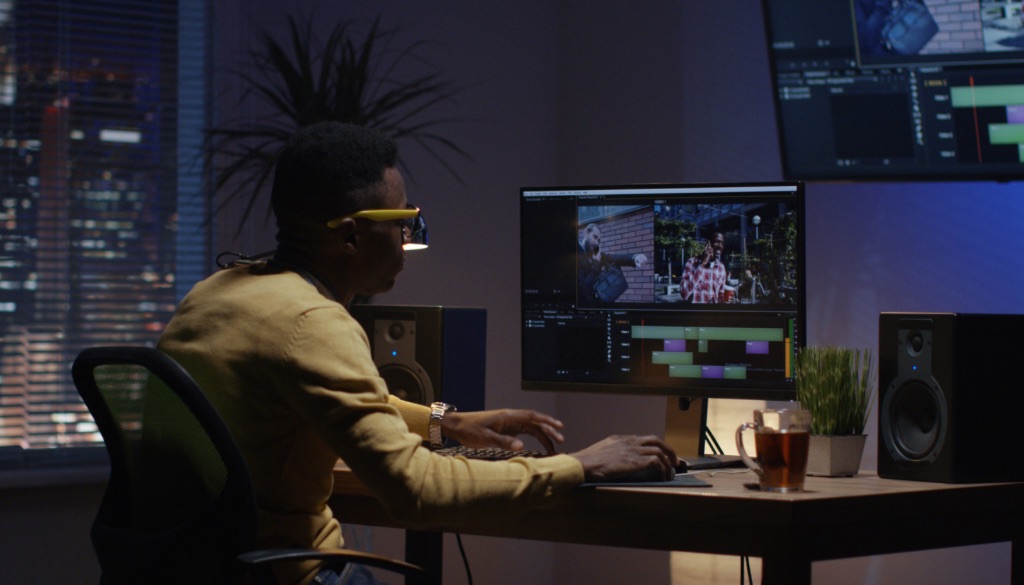
CGI enhances or adds elements difficult to capture live. Compositing seamlessly integrates green screen shots. Skillful color grading ensures consistent, accurate hues between shots enhancing lighting moods and special effects for a TV commercial.
With every meticulous detail finally intensified, polished and perfected, the commercial emerges ready for viewership and client approval. Then the entire process repeats for the next script until initial concepts transform into impactful branded messages.
Now Airing Nationwide…Your TV Commercial!
Months of planning, shooting, assembling scenes and inserting special effects finally pay off when the commercial debuts in coveted airtime slots before massive viewership. Nielsen ratings validate engagement.
Conclusion
If you have an upcoming project that requires a polished, compelling TV commercial, the experienced creative team at Mandema Studios is ready to make it happen!
Our full-service production company has worked with top brands for over +5 years producing broadcast advertising and digital content. We handle the entire process from concept to completion.
Whether you seek a heartwarming lifestyle spot, an edgy music video style, or a product demo with vibrant motion graphics, our directors and crews have the skills to accurately translate your vision within budget.
Contact Mandema Studios today to get a custom quote! Call 011-725-0723 or visit MandemaStudios.com